C语言和汇编语言的交互是底层编程和性能优化中的一个重要方面。理解它们如何协同工作,可以帮助开发者更好地控制硬件、优化关键代码段以及理解编译器的行为。
为什么需要在C语言中嵌入汇编?
尽管C语言已经提供了相对底层的操作能力,但在某些特定场景下...

C语言与汇编语言交互:底层编程关键及嵌入汇编的原因?
C语言和汇编语言的交互是底层编程和性能优化中的一个重要方面。理解它们如何协同工作,可以帮助开发者更好地控制硬件、优化关键代码段以及理解编译器的行为。
为什么需要在C语言中嵌入汇编?
尽管C语言已经提供了相对底层的操作能力,但在某些特定场景下,直接使用汇编语言仍然是必要的或更优的:
极致性能优化:对于计算密集型或对延迟要求极高的代码段(如中断服务程序、DSP算法核心、游戏引擎的关键循环),手写汇编可以利用特定的CPU指令集和特性,榨干硬件性能,这是编译器有时难以做到的。访问特定硬件指令:某些CPU特有的指令(如SIMD指令、特定的系统控制指令)可能没有直接的C语言对应,或者编译器生成的代码效率不高。操作系统内核开发:在操作系统内核中,处理器的启动、上下文切换、中断处理等底层操作通常需要汇编语言来实现。设备驱动程序:直接与硬件端口、寄存器交互时,汇编语言可以提供更精确的控制。引导加载程序 ():在系统启动的早期阶段,硬件环境非常有限,通常只能使用汇编语言。理解编译器行为:通过查看C代码编译后的汇编代码,可以更深入地理解C语言的底层实现、编译器的优化策略以及代码的实际执行方式。C语言中嵌入汇编的常见方式
主要有两种方式在C项目中引入汇编代码:
内联汇编 ( )独立的汇编文件链接 ( Files)1. 内联汇编
内联汇编允许将汇编指令直接嵌入到C语言的函数体中。不同的编译器有不同的内联汇编语法。
a. GCC 和 Clang (AT&T 语法)
GCC 和 Clang 使用 asm 或 关键字。其基本语法格式如下:
 asm ( assembler template
     : output operands /* optional */
     : input operands  /* optional */
     : list of clobbered registers /* optional */
     );
示例:简单的加法
 #include

 int main() {
     int a = 10, b = 20, sum;

     asm (
         "addl %%ebx, %%eax;" // add ebx to eax (AT&T: add source, destination)
         : "=a" (sum)        // output: sum in eax ('a' constraint for eax)
         : "a" (a), "b" (b) // input: a in eax, b in ebx ('b' constraint for ebx)
         : // no clobbered registers other than those used for I/O
     );

     printf("Sum of %d and %d is %d\n", a, b, sum);

     // 另一个例子:使用占位符
     int x = 5, y = 3, result;
     asm (
         "movl %1, %%eax;"   // move x into eax
         "subl %2, %%eax;"   // subtract y from eax
         "movl %%eax, %0;"   // move result from eax to result variable
         : "=r" (result)     // output: result in any general purpose register ('r')
         : "r" (x), "r" (y)  // input: x and y in any general purpose registers
         : "%eax"            // clobbered register: eax
     );
     printf("%d - %d = %d\n", x, y, result);

     return 0;
 }
约束 () 非常重要:
b. C++ (MSVC - Intel 语法)
MSVC 使用 __asm 关键字,并且通常采用 Intel 语法(操作数顺序:目标, 源,寄存器名不需要前缀)。
 #include

 int main() {
     int a = 10, b = 20, sum;

     __asm {
         mov eax, a     // move value of 'a' into eax
         mov ebx, b     // move value of 'b' into ebx
         add eax, ebx   // add ebx to eax
         mov sum, eax   // move result from eax to 'sum'
     }

     printf("Sum of %d and %d is %d\n", a, b, sum);
     return 0;
 }
MSVC 的内联汇编可以直接引用C语言的变量名。但它在64位编译模式下有诸多限制,通常不推荐用于复杂的64位汇编。
内联汇编的优缺点:
缺点:2. 独立的汇编文件链接
对于更复杂的汇编逻辑,或者为了更好的模块化和可移植性(在汇编层面),可以将汇编代码写在单独的 .s (GCC/Clang) 或 .asm (MSVC/NASM/YASM) 文件中,然后与C代码一起编译链接。
步骤:
编写汇编函数:在汇编文件中定义函数,确保其符合C语言的调用约定 ( )。在C代码中声明汇编函数:使用 关键字声明汇编函数的原型。编译汇编文件:使用汇编器(如 as for GCC, nasm, yasm, ml or ml64 for MSVC)将汇编代码编译成目标文件 (.o 或 .obj)。链接:将C编译的目标文件和汇编编译的目标文件链接成最终的可执行文件。a. 示例 (GCC/NASM - AT&T and Intel for )
C 文件 (main.c):
 #include

 // 声明在外部汇编文件中定义的函数
 extern int asm_add(int a, int b);
 extern void asm_greet();

 int main() {
     int x = 15, y = 7;
     int result = asm_add(x, y);
     printf("%d + %d = %d\n", x, y, result);

     asm_greet();
     return 0;
 }
汇编文件 (.s - 使用 NASM 编写,Intel 语法,针对 Linux x86-64):
 ; my_asm_functions.s
 ; NASM syntax, for x86-64 Linux

 section .data
     message db "Hello from Assembly!", 0ah, 0 ; Null-terminated string with newline

 section .text
     global asm_add      ; Make asm_add visible to the linker
     global asm_greet     ; Make asm_greet visible to the linker

 ; int asm_add(int a, int b)
 ; Linux x86-64 calling convention:
 ; - First integer argument (a) in RDI
 ; - Second integer argument (b) in RSI
 ; - Return value in RAX
 asm_add:
     mov rax, rdi        ; Move first argument (a) into RAX
     add rax, rsi        ; Add second argument (b) to RAX
     ret                 ; Return (result is in RAX)

 ; void asm_greet()
 ; System call for write (syscall number 1 for write)
 ; - RDI: file descriptor (1 for stdout)
 ; - RSI: pointer to buffer (our message)
 ; - RDX: count (length of message)
 ; - RAX: syscall number
 asm_greet:
     ; Calculate message length (simple way for this example)
     mov rdx, message_end - message

     mov rax, 1          ; syscall number for write
     mov rdi, 1          ; file descriptor stdout
     lea rsi, [rel message] ; address of message (rip-relative for position independent code)
     ; rdx already has length
     syscall             ; invoke operating system to do the write
     ret

 message_end:
编译和链接 (Linux):
 # Compile C code
 gcc -c main.c -o main.o

 # Assemble NASM code
 nasm -f elf64 my_asm_functions.s -o my_asm_functions.o

 # Link object files
 gcc main.o my_asm_functions.o -o program

 # Run
 ./program
汇编文件 (.s - 使用 GAS 编写,AT&T 语法,针对 Linux x86-64):
 # my_gas_functions.s
 # GNU Assembler (GAS) AT&T syntax, for x86-64 Linux

 .section .data
 message:
     .string "Hello from GAS Assembly!\n"
 message_end:

 .section .text
     .global asm_add_gas
     .global asm_greet_gas

 # int asm_add_gas(int a, int b)
 # Linux x86-64 calling convention:
 # - First integer argument (a) in %rdi
 # - Second integer argument (b) in %rsi
 # - Return value in %rax
 asm_add_gas:
     movq %rdi, %rax     # Move first argument (a) into %rax
     addq %rsi, %rax     # Add second argument (b) to %rax
     ret                 # Return (result is in %rax)

 # void asm_greet_gas()
 # System call for write (syscall number 1 for write)
 # - %rdi: file descriptor (1 for stdout)
 # - %rsi: pointer to buffer (our message)
 # - %rdx: count (length of message)
 # - %rax: syscall number
 asm_greet_gas:
     movq $1, %rax           # syscall number for write
     movq $1, %rdi           # file descriptor stdout
     leaq message(%rip), %rsi # address of message (rip-relative)
     movq $(message_end - message), %rdx # length of message
     syscall                 # invoke operating system to do the write
     ret
修改 main.c 以调用 GAS 版本并重新编译链接:
 // In main.c, add declarations:
 extern int asm_add_gas(int a, int b);
 extern void asm_greet_gas();

 // In main() function, add calls:
     int result_gas = asm_add_gas(x, y+1);
     printf("%d + %d = %d (GAS)\n", x, y+1, result_gas);
     asm_greet_gas();
编译和链接 (Linux with GAS):
# Compile C code (assuming main.c is updated)
gcc -c main.c -o main.o
# Assemble GAS code
as my_gas_functions.s -o my_gas_functions.o
# Link object files (if you only want to link GAS version)
gcc main.o my_gas_functions.o -o program_gas
# Run
./program_gas
b. 示例 (MSVC - MASM)
C 文件 (.c):
#include
extern int asm_multiply(int a, int b);
int main() {
    int x = 7, y = 6;
    int product = asm_multiply(x, y);
    printf("%d * %d = %d\n", x, y, product);
    return 0;
}
汇编文件 (.asm - MASM for x64):
; msvc_asm_func.asm
; MASM syntax for x64 Windows
.code
; int asm_multiply(int a, int b)
; Windows x64 calling convention:
; - First integer argument (a) in RCX
; - Second integer argument (b) in RDX
; - Return value in RAX
asm_multiply PROC
    mov rax, rcx    ; Move first argument (a) into RAX
    imul rax, rdx   ; Multiply RAX by second argument (b)
    ret             ; Return (result is in RAX)
asm_multiply ENDP
END
编译和链接 ( ):
# Compile C code
cl /c main_msvc.c
# Assemble MASM code (ml64.exe for x64)
ml64 /c msvc_asm_func.asm
# Link object files
link main_msvc.obj msvc_asm_func.obj /OUT:program_msvc.exe
# Run
program_msvc.exe
独立汇编文件的优缺点:
缺点:调用约定 ( )
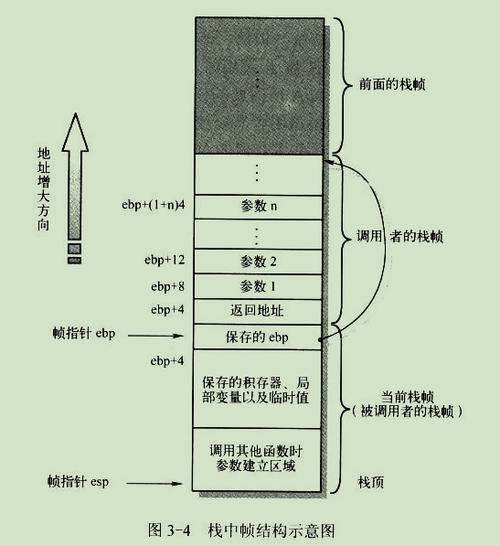
调用约定是C语言和汇编语言之间正确交互的关键。它规定了:
常见的调用约定:
在编写独立的汇编函数时,必须清楚目标平台和编译器的调用约定。
注意事项和最佳实践非必要不使用汇编:现代编译器非常智能,通常能生成高效的机器码。只有在性能瓶颈分析确认某段代码是热点,并且编译器优化已达极限时,才考虑手写汇编。保持汇编代码简洁:汇编代码难以阅读和维护,尽量只用它来实现最核心、最小的部分。封装汇编逻辑:如果使用独立汇编文件,将汇编函数封装成易于C调用的接口。注意可移植性:汇编代码是高度平台相关的(CPU架构、操作系统)。如果需要跨平台,可能需要为不同平台编写不同的汇编版本,或者使用C语言的替代方案。充分测试:汇编代码更容易出错,需要进行彻底的测试。理解编译器的输出:学习阅读编译器生成的汇编代码,这有助于理解C代码如何映射到底层,并能判断何时手写汇编可能带来收益。使用 关键字 (内联汇编):当内联汇编代码有副作用(如修改内存或硬件寄存器)而编译器可能无法察觉时,使用 asm (...) 来防止编译器过度优化或重排汇编指令。总结
C语言与汇编的交互为开发者提供了强大的底层控制能力和性能优化手段。内联汇编适合小段、与C代码紧密结合的汇编,而独立汇编文件更适合复杂、模块化的汇编逻辑。无论采用哪种方式,深刻理解目标平台的CPU架构、汇编语法以及C语言调用约定都是至关重要的。然而,由于其复杂性和可移植性问题,应仅在确实必要时才诉诸汇编。
汇编 asm int for 代码 gas
热门文章
-

杭州文海实验多名学生流鼻血,官方连夜成立联合工作组彻查工厂排放
-

万茜颜值进阶史:从青涩到“清冷系天花板”的蜕变之路
-

杨少华遗体告别仪式:亲友送别,赵本山送花圈,杨威杨议忙后事
-

长江商学院自创办第一天起 始终以为中国和世界培养一批具有全球视野
-

深圳南山区“美澳口腔”诊所“跑路”风波:数百患者维权,交款种牙却陷入困境
-

国务院总理李强在天津出席2025年夏季达沃斯论坛工商界代表座谈会
-

“超级工程”渐行渐近,重庆破局,宜昌“躺赢”?
-

首份2025年中报周二亮相,12家公司净利润预增超10倍,华银电力暂居榜首
-
电脑恢复出厂设置步骤详解:备份数据及各操作要点
-

十三岁的星辰:云南女孩侯静怡短暂而明亮的一生
-

广州英华思力足球俱乐部翻译徐进遭日籍教练霸凌猝死,家属讨公道
-

巨子生物“变卦”背后:胶原蛋白检测风波与医美巨头商战
最近发表
-
epoll vs select:高并发下谁更胜一筹?
-

找魔兽世界替代品?这10款免费单机MMO值得一试
-

魔兽玩家别急!三款免费单机游戏,和魔兽一样好玩
-
零基础学Python?这6个免费网站比女神讲师视频教程还实用
-
新型勒索病毒蔓延,360反勒索服务为企业和个人数据安全护航
-

不花钱的魔兽世界平替?推荐几款类似的免费单机游戏
-

阴阳鬼探txt全集下载,阴阳五行学说与鬼怪故事完美融合
-

平安金融中心 深圳:金博会上的保险黑科技,为AI时代实体经济护航
-

360查杀提示木马?教你分辨哪些是系统正常文件
-

阴阳鬼探txt全集下载|阴阳哲学与小说资源一网打尽
-

平安金融中心深圳租赁电话 18610003768 王经理
-

阴阳鬼探txt全集下载:阴阳思想与天地之道的通俗解读